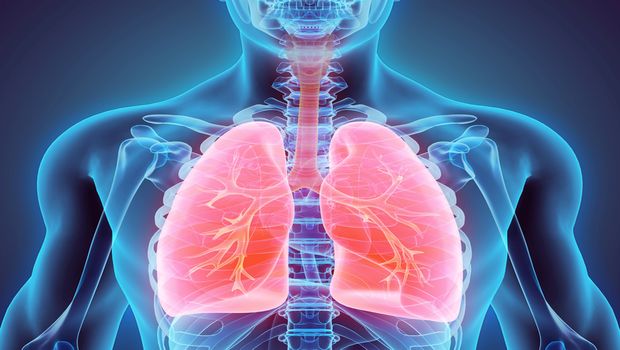
Respiratory Infections

In this season of the Covid-19, it’s important to get educated about the respiratory system, and the infections that can occur there. It’s also important to know how they appear (symptoms), what causes them, how to prevent as well as treat them.

Respiratory infection is defined as any infectious disease of the upper or lower respiratory tract.

Upper Respiratory Infections (URI)

A URI is an infection that affects the upper air passages, including:

  • the larynx, which is the muscular organ containing the vocal cords
  • the nasal cavity, which is the space above and behind the nose
  • the nostrils
  • the pharynx, which is the cavity behind the nose and mouth

Symptoms of URI

The most common symptoms of a URI include:

  • coughing
  • discomfort in the nasal passages
  • mild fever, which is more common in children
  • excess mucus
  • nasal congestion
  • pain or pressure behind the face
  • a runny nose
  • a scratchy or sore throat
  • sneezing

Causes of URI

  • damage to the airways or nasal cavity
  • not washing the hands frequently
  • contact with groups of children
  • crowded places, such as airplanes and buses
  • smoking and second-hand smoke
  • spending time in the hospital or in a care centre

Treatment for URI

  • applying petroleum jelly to sore areas, which may include the lips and nostrils
  • avoiding smoky or fume-filled areas
  • avoiding steep temperature changes
  • drinking plenty of water
  • increasing indoor humidity
  • resting as much as possible
  • using soft tissues when blowing the nose

Home remedies include:

  • garlic, especially when raw
  • honey, especially in lemon tea
  • lemon juice and lemon tea
  • root ginger in hot water
  • Herbs

When to see a doctor

While most URIs will resolve without medical attention, they may get progressively worse. It is best to see a doctor if:

  • breathing becomes difficult
  • a fever lasts more than 3 days
  • the URI impacts an existing condition
  • the symptoms lasts more than 2 weeks
  • the lips turn blue
  • swallowing becomes difficult
  • symptoms become worse over time
  • the URI recurs soon after going away

Preventions for URI

There is no certain way to avoid getting a URI. These infections are particularly common during the winter and almost unavoidable if a person spends time with other people indoors.

There are steps that a person can take to reduce the risk. Preventive steps include:

  • avoiding cigarette smoke
  • avoiding crowded and enclosed spaces
  • avoiding sharing drinking glasses and utensils
  • cleaning and disinfecting areas that other people touch, such as shared keyboards
  • covering the mouth and nose when sneezing and coughing
  • eating a healthful diet
  • washing the hands frequently
  • exercising regularly

Lower Respiratory Tract Infections

A Lower respiratory tract infection can affect the airways, such as with bronchitis or the air sacs at the end of the airways, as in the case of pneumonia.


Symptoms

Symptoms of lower respiratory tract infections vary and depend on the severity of the infection.

  • a stuffed up or a runny nose
  • a dry cough
  • a low fever
  • a mild sore throat
  • a dull headache

In more severe infections, symptoms can include:

  • a severe cough that may produce phlegm
  • fever
  • difficulty breathing
  • rapid breathing
  • chest pain

Lower respiratory tract infections include:

  • bronchitis
  • pneumonia
  • bronchiolitis
  • tuberculosis

Causes and risk factors of lower respiratory infections

Infections in the lower respiratory tract are primarily the result of:

  • bacteria, such as Streptococcus or Staphylococcus aureus
  • fungal infections
  • mycoplasma, which are neither viruses or bacteria but are small organisms with characteristics of both
  • viruses, as with the flu

Risk factors that make a person more likely to develop a lower respiratory tract infection include:

  • a recent cold or flu
  • a weakened immune system
  • being more than 65 years old
  • being under 5 years old
  • recent surgery

Diagnosis

The doctor may order tests to help diagnose the problem, such as:

  • Pulse oximetry to find how much oxygen is in the blood
  • chest X-rays to check for pneumonia
  • blood tests to check for bacteria and viruses
  • mucus samples to look for bacteria and viruses

Treatment

  • over-the-counter medications for a cough or fever
  • plenty of rest
  • drinking plenty of fluids

In other cases, a doctor may prescribe additional treatment. This may include antibiotics for bacterial infections, or breathing treatments, such as an inhaler.

Prevention

  • washing their hands frequently
  • avoiding touching the face with unwashed hands
  • staying away from people with respiratory symptoms
  • cleaning and disinfecting surfaces regularly
  • getting vaccines, such as the pneumococcal vaccine and MMR vaccine
  • getting a flu shot every year
  • avoiding known irritants, such as chemicals, fumes, and tobacco

Complications

Lower respiratory tract infections are uncomplicated. However, when complications occur, they can be very serious.

Complications of lower respiratory tract infections can include:

  • congestive heart failure
  • respiratory failure
  • respiratory arrest
  • sepsis, which is a blood infection that can lead to organ shutdown
  • lung abscesses

Wash your hands frequently, keep your hygiene levels up and consume foods and home remedies that keep the possibility of coming down with respiratory health issues.


Picture of Tope Akinyemi

Tope Akinyemi

Leave a Replay

About MNP

We are convinced that Health is Wealth and that you deserve to be healthy enough to live your best life daily. 

According to findings published in the Journal of Economics and Sustainable Development by Idowu Onisanwa in 2014, it was discovered that a high level of economic growth can be achieved by improving the health status of the populace, especially if the current status is at a low ebb. 

Recent Posts

Follow Us

Select your currency
USD United States (US) dollar